
Guide
Urea 46%, CAN and ammonium nitrate: key differences
A practical overview of concentration, nitrogen forms and questions to verify before procurement.
Updated: 7 min read
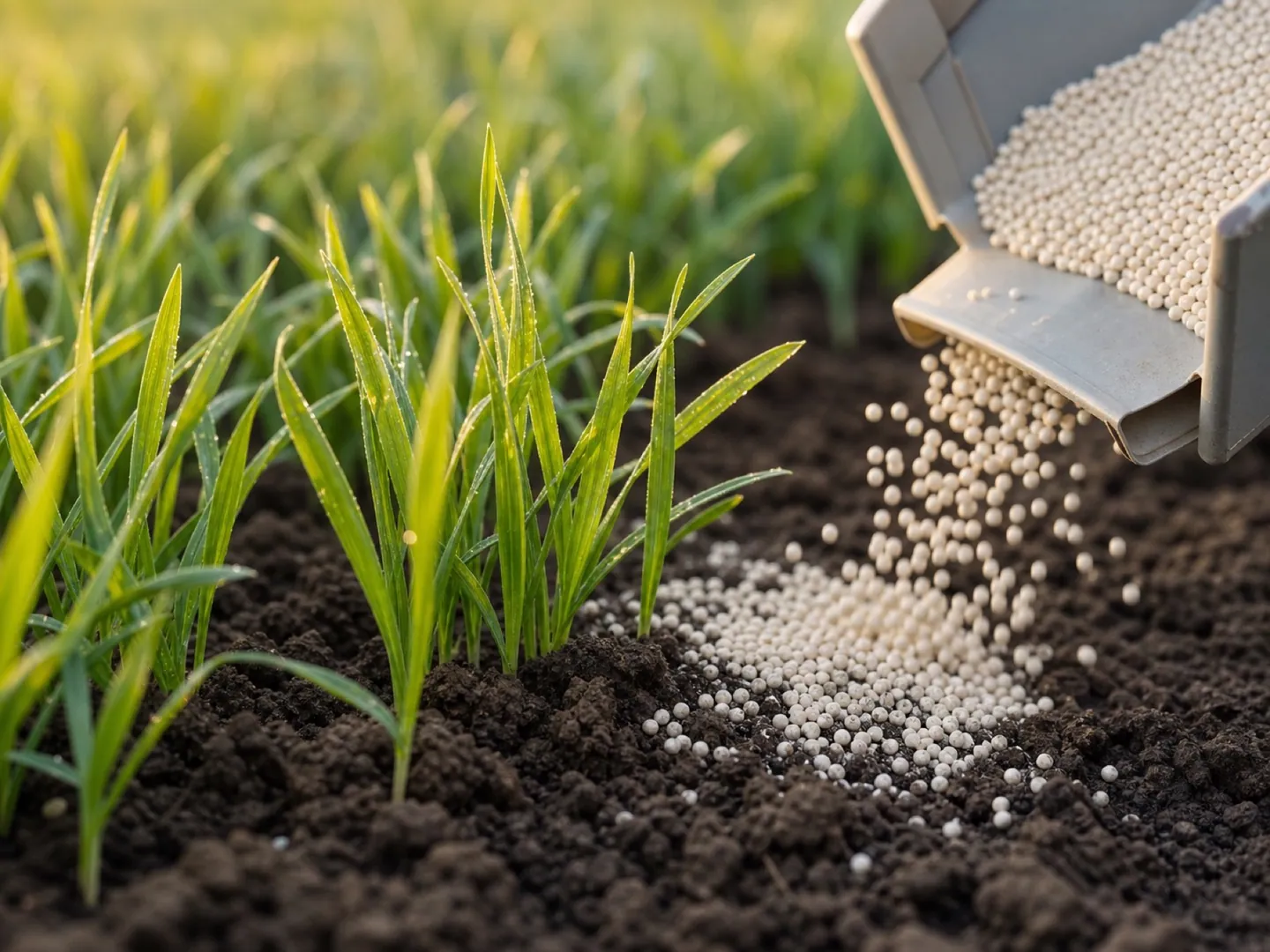
Nitrogen percentage is not the only difference
Urea 46% provides a high nitrogen concentration, CAN contains nitrogen and calcium-bearing components, while ammonium nitrate is a separate nitrogen source. The comparison starts with the formula but does not end there.
Application method, timing, soil conditions and the crop plan all matter. Field-specific recommendations require soil analysis and qualified agronomic advice.
What a buyer should verify
For B2B procurement, confirm the specification, particle size, packaging, documentation and logistics conditions for the specific shipment.
- declared nitrogen content and form
- granule size and uniformity
- COA and SDS/MSDS for the offered lot
- packaging, destination and requested timing
How to compare commercial offers
A price per tonne is not enough for a fair comparison. Differences in nutrient concentration, packaging and logistics mean the offer should also be assessed against declared nutrient content and the total delivered cost.
Bring each offer to the same basis: the same Incoterms rule, packaging format, comparable delivery window and a clearly identified specification. This makes the commercial comparison transparent.
- net mass and number of units per shipment
- transport, handling and potential storage costs
- offer validity and loading schedule
- the procedure for deviations between contract and delivered lot
Making an operational choice
A higher nitrogen concentration may reduce the mass transported for the same amount of nutrient, but the product still needs to fit the application equipment, timing and field conditions. Granule properties also matter for even metering and handling.
BFC can help compare available specifications and logistics options. Application decisions and rates should be based on soil analysis, crop needs and advice from a qualified agronomist.
Checklist before confirmation
Before ordering, record the product, required volume, packaging, delivery point and requested timing. Then align documentation, payment terms and transport responsibility.
- confirmed specification and product origin
- sample COA and a current SDS/MSDS
- agreed packaging and labelling
- clear Incoterms rule and named destination
- receipt and goods-inspection procedure
Related products
Nitrogen fertilizers
Urea 46%
N 46%Granular nitrogen fertilizer containing 46% nitrogen.
Product details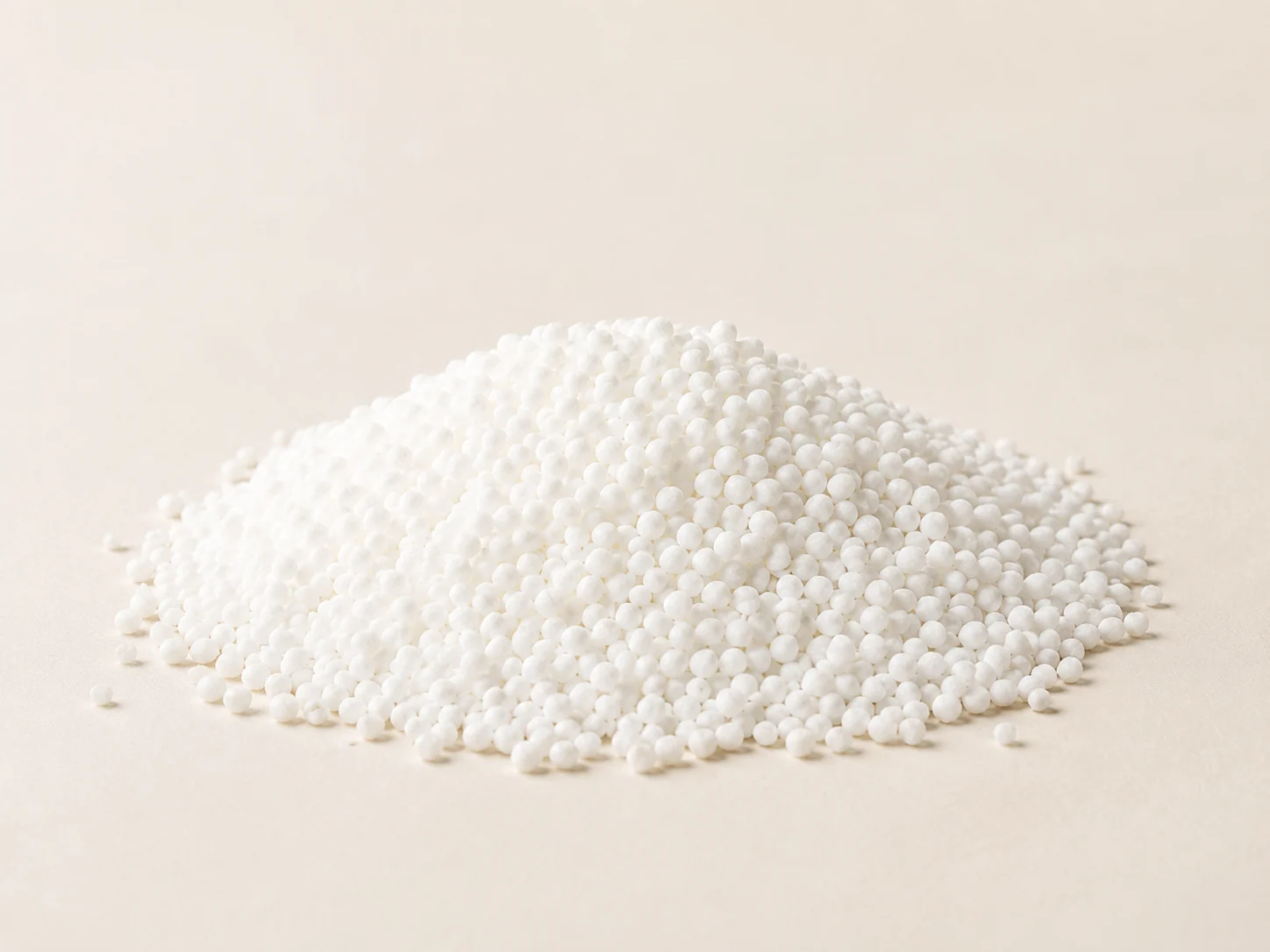
Nitrogen fertilizers
CAN
N + CaNitrogen mineral fertilizer containing nitrogen and calcium-bearing components.
Product details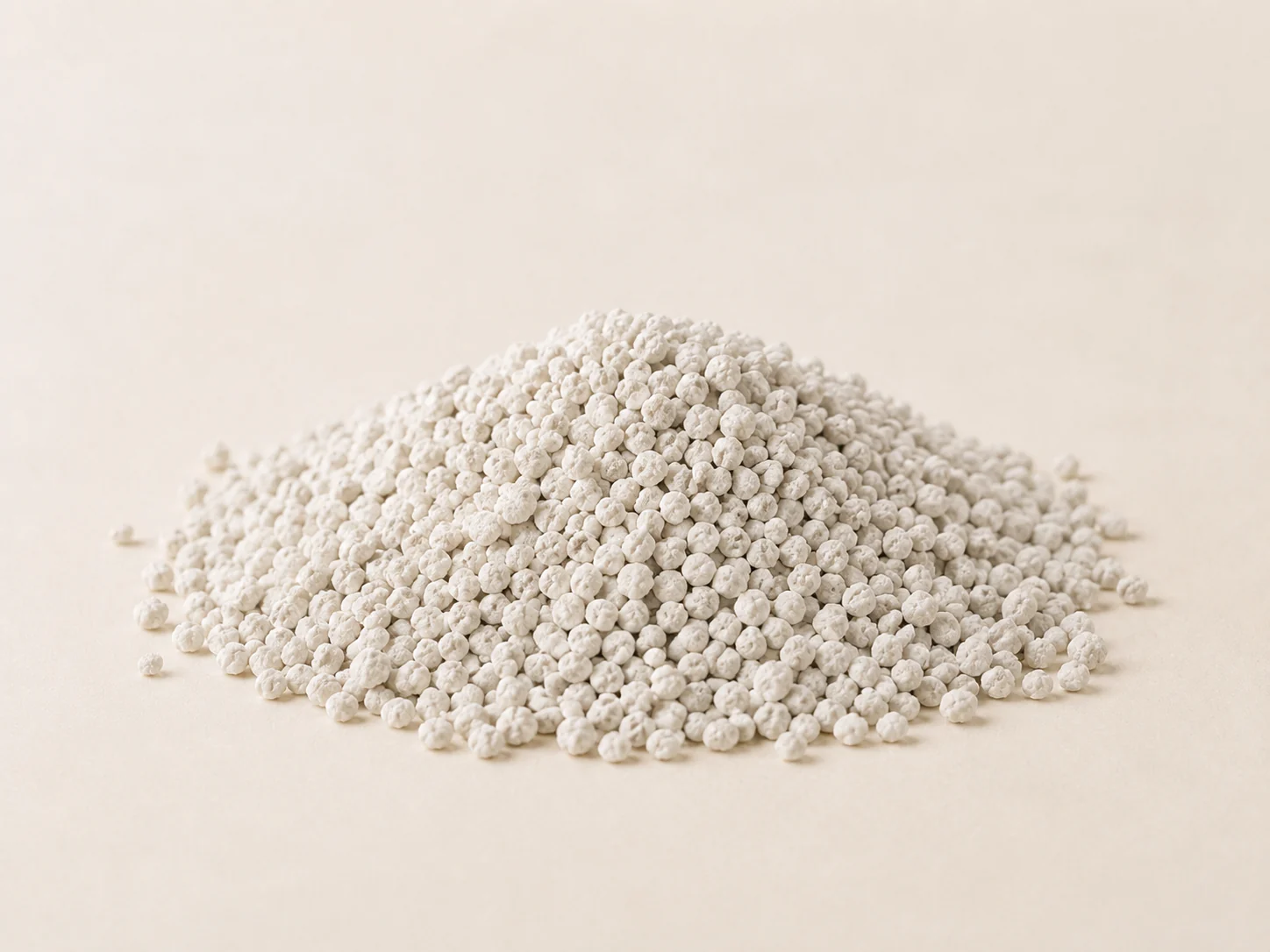
Nitrogen fertilizers
Ammonium Nitrate — AN
ANNitrogen mineral fertilizer for agricultural crop nutrition systems.
Product details