Knowledge
How to read a mineral fertilizer specification
A concise guide to formulas, nutrient content and supporting documents.
Updated: 8 min read

The formula is the starting point
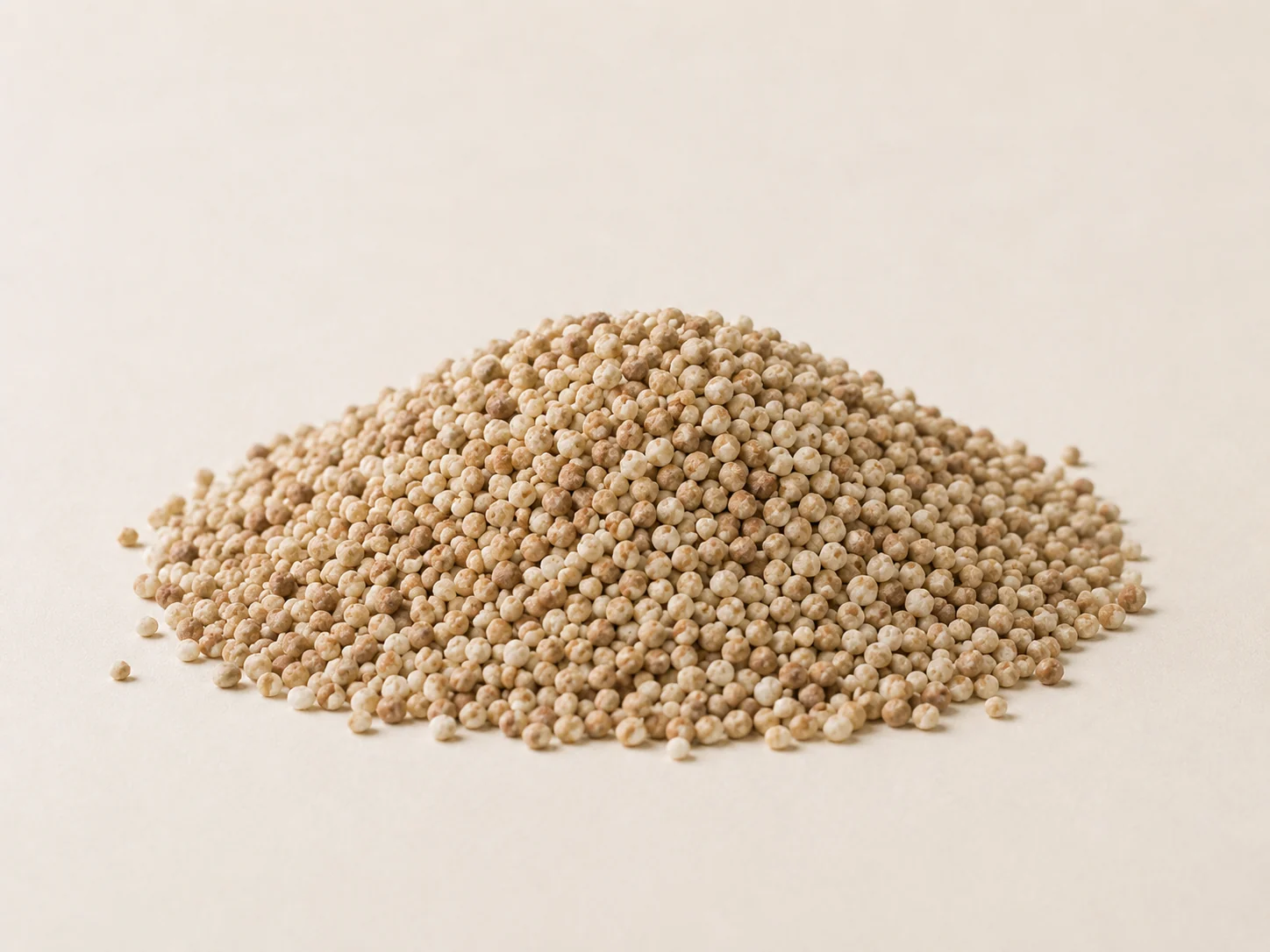
N, P₂O₅ and K₂O labels describe the declared content of the main nutrients. MAP 10-46 emphasizes phosphorus, while NPK 15-15-15 combines three primary nutrients in a balanced formula.
The same commercial grade does not automatically mean every offered lot is identical. A reference specification and the shipment COA serve different purposes.
Documents to read together
The technical specification sets target product parameters, the COA reports results for a particular lot, and the SDS/MSDS covers safe handling and storage information.
- nutrient content and permitted tolerances
- moisture, particle size and friability
- origin, packaging and lot identification
- transport and storage requirements
Reading the key parameters
Beyond total nutrient content, check how each nutrient form is expressed. The number on the front of a bag is a quick summary; the full declaration and specification explain what was measured and by which method.
Physical parameters such as particle size and moisture affect handling and spreading. Read them together with tolerances and test methods, not as isolated marketing figures.
A specification is not a COA
A specification defines the target or contract limits for a product. A Certificate of Analysis (COA) relates to a specific lot and reports quality-control results for that lot.
Before contracting, confirm that the product name, lot, date and test method can be linked to the goods being delivered. A document without clear identification does not provide full traceability.
- manufacturer or responsible supplier
- lot number and issue date
- tested parameters and results
- reference method and signature or approval
The declaration and the commercial contract
Agreed characteristics should be carried into the offer or contract: product name and grade, applicable specification, packaging, quantity and shipment documents. This reduces room for conflicting interpretations.
If the buyer has extra labelling, language or import-document requirements, state them before order confirmation. Later changes can affect timing and cost.
Five questions for the supplier
Good procurement starts with questions that can be verified through documents and ends with a clear agreement for the particular lot and shipment.
- Which specification applies to the offered product?
- When will the COA for the specific lot be available?
- Which packaging and labelling are included in the price?
- Which documents accompany transport and import?
- How will any deviation be recorded and resolved?
Related products
Phosphate fertilizers
MAP 10:46
NP 10-46Concentrated mineral fertilizer containing nitrogen and a high level of phosphorus.
Product details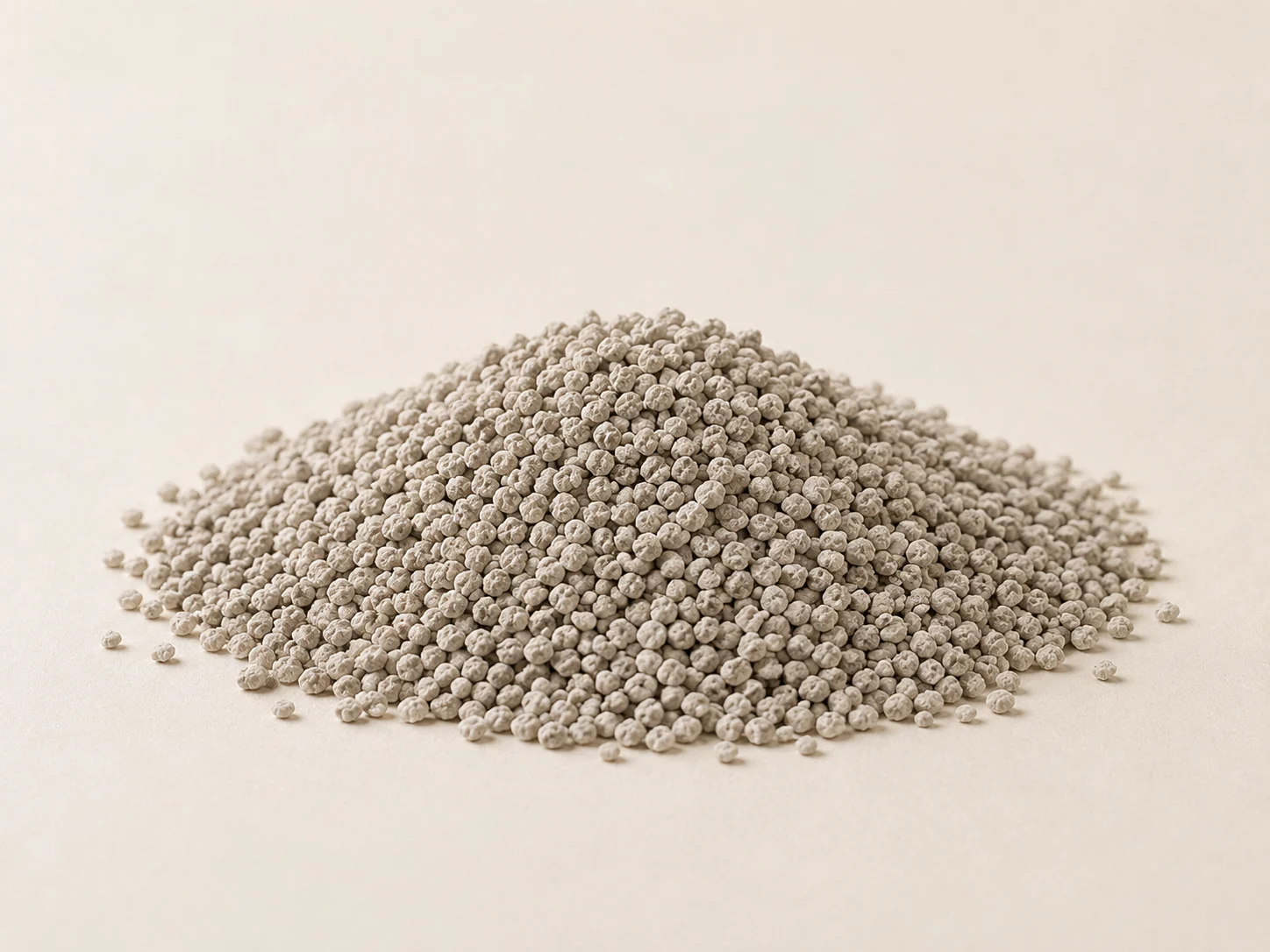
Complex fertilizers
NPK
15:15:15 · 8:20:30 · 16:16:16A family of complex mineral fertilizers with different nitrogen, phosphorus and potassium ratios.
Product details